

Sleep Apnea Treatment
In Kansas City
What is Sleep Apnea?
Sleep apnea is a common sleep disorder that causes repeated interruptions in breathing during sleep. The most common form, obstructive sleep apnea (OSA), occurs when the muscles of the throat and mouth relax excessively, allowing the tongue and surrounding tissues to block the airway.
These breathing interruptions can happen many times throughout the night, often without the individual realizing it. As a result, sleep becomes fragmented, preventing the body from getting the restorative rest it needs.
If you frequently wake up gasping for air, feel excessively tired during the day, or have been told that you snore loudly, sleep apnea may be the cause.
Signs & Symptoms
Loud, chronic
snoring
Pauses in
breathing
during sleep
Gasping or
choking while sleeping
Memory
problems
Morning
headaches
Excessive
daytime fatigue
Difficulty concentrating
Irritability or
mood changes
Frequent
awakenings
Difficulty
achieving
restful sleep
Why Treating Sleep Apnea Matters
Sleep apnea affects far more than your sleep quality. Left untreated, it can have serious consequences for your overall health and well-being.
The first step toward treatment is determining whether sleep apnea is present.
Proper diagnosis and treatment can help:
Improve sleep quality
Increase daytime energy and alertness
Reduce health risks associated with cardiovascular disease
Improve concentration and memory
Decrease headaches and fatigue
Enhance overall quality of life
Other commonly associated health conditions:
-
When your breathing stops, your blood oxygen levels plummet. Your brain signals your nervous system to constrict your blood vessels and pump blood faster to protect your vital organs. This sudden surge in pressure happens repeatedly throughout the night. Over time, your body forgets how to "reset," leading to chronic high blood pressure even when you are awake.
-
The constant drops in oxygen and spikes in blood pressure strain the entire cardiovascular system. Sleep apnea increases the risk of coronary artery disease (narrowed arteries) and atrial fibrillation (a dangerous, irregular heart rhythm). The physical strain of gasping for air also physically stretches and stresses the chambers of the heart.
-
Because sleep apnea disrupts oxygen flow and triggers full-body inflammation, it makes blood more prone to clotting.
Heart Attack: The combination of low oxygen, high blood pressure, and stressed arteries makes a sudden heart attack much more likely, especially during the night.
Stroke: Interrupted blood flow and oxygen delivery to the brain significantly increase the risk of a stroke.
-
Sleep apnea and Type 2 diabetes are deeply linked. Sleep deprivation and the stress of oxygen deprivation cause your body to release high levels of the stress hormone cortisol. Cortisol causes your body to become resistant to insulin, meaning glucose (sugar) builds up in your blood instead of being used for energy.
-
When your airway collapses during a sleep apnea episode, you still try to inhale. This physical effort acts like a vacuum, creating powerful negative pressure in your chest. This suction literally pulls stomach acid up out of your stomach and into your esophagus, causing severe acid reflux and heartburn at night.
-
This is a two-way street:
Obesity causes Sleep Apnea: Extra fat tissue around the neck and upper airway can physically collapse and block your breathing passages while you sleep.
Sleep Apnea worsens Obesity: Sleep deprivation wrecks your metabolism. It decreases leptin (the hormone that tells you you're full) and increases ghrelin (the hormone that makes you hungry), leading to intense cravings and weight gain.
-
Your brain needs deep, uninterrupted sleep to regulate neurotransmitters like serotonin and dopamine, which control your mood. Because sleep apnea constantly wakes you up (even if you don't remember it), you are starved of quality REM and deep sleep. Chronic exhaustion, daytime fatigue, and brain chemical imbalances frequently manifest as clinical depression or anxiety.
In some cases, sleep apnea may contribute to dental concerns such as tooth wear from grinding and temporomandibular joint (TMJ) disorders.
We provide at-home testing
Sleep apnea testing no longer requires an overnight stay in a sleep laboratory!
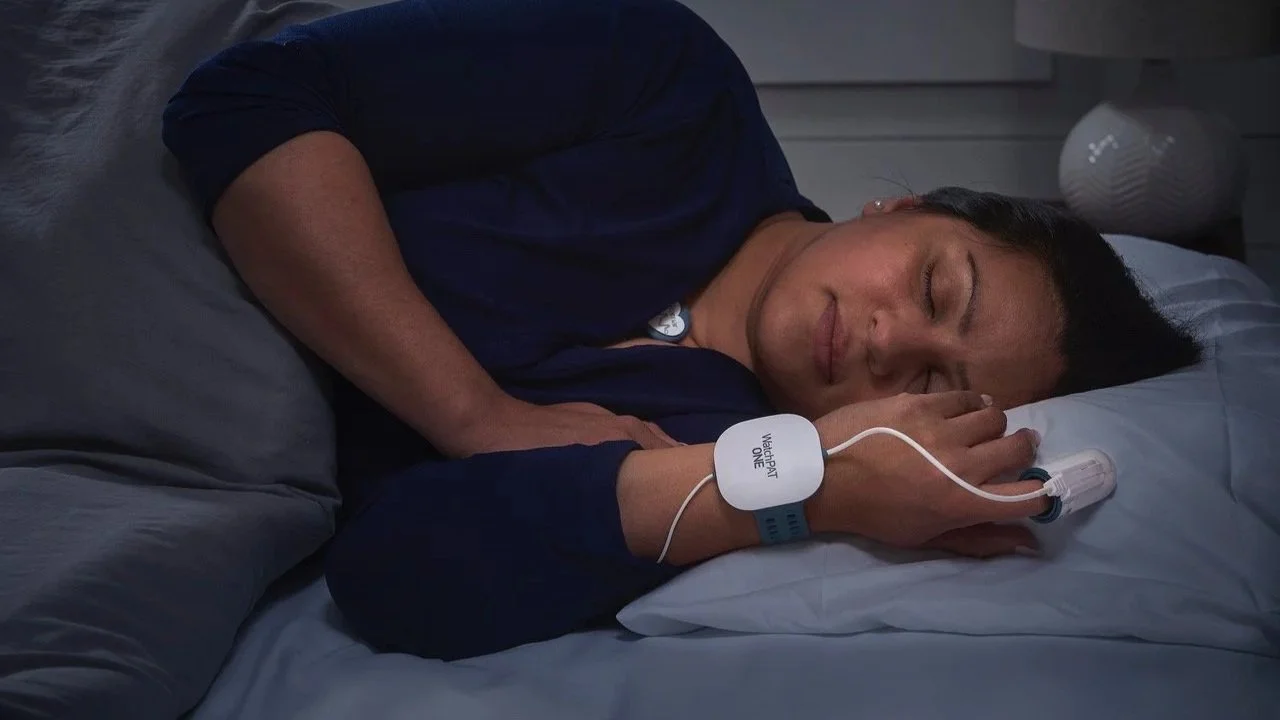
Using the FDA-cleared WatchPAT ONE® Home Sleep Study, patients can complete a sleep study in the comfort of their own homes while maintaining their normal sleeping routine.
This convenient test monitors important physiological data during sleep, including:
Breathing Patterns
Heart Rate
Blood Oxygen Levels
Sleep Quality & Disturbances
The results provide valuable information about whether sleep apnea is present and, if so, the severity of the condition. Once the results are reviewed, a sleep physician will give an official diagnosis of whether sleep apnea is present and recommend the most appropriate treatment options.
Early diagnosis is essential for preventing complications and improving long-term health outcomes.
Snoring
It’s a big tell for Sleep Apnea, so let’s talk about it!
Snoring occurs when tissues in the throat vibrate during sleep, creating the familiar sound many people experience. While snoring is common and affects millions of adults, it can sometimes be a warning sign of sleep apnea.
Common causes of snoring include:
Nasal congestion or blockage
Relaxation of throat muscles during sleep
Excess weight
Alcohol consumption
Sleep position
Snoring can disrupt sleep quality for both the individual and their bed partner and may indicate an underlying airway issue that should be evaluated.
-
Not everyone who snores has sleep apnea. If testing confirms that your snoring is not related to a breathing disorder, you may be classified as a primary snorer.
For many primary snorers, a custom-made oral appliance can provide an effective, non-invasive solution. Worn during sleep, the appliance gently repositions the jaw and airway structures to improve airflow and reduce snoring.
This simple treatment can help both you and your household enjoy a quieter, more restful night's sleep.
Treatment Options
-
Continuous Positive Airway Pressure (CPAP) therapy is considered one of the most effective treatments for sleep apnea. The device delivers a steady stream of air to keep the airway open throughout the night.
-
Custom oral appliances provide a comfortable alternative for many patients. Similar in appearance to a sports mouthguard or orthodontic retainer, these devices gently reposition the jaw to maintain an open airway during sleep.
-
Addressing contributing factors can significantly improve symptoms. Recommended lifestyle modifications may include:
Quitting smoking
Limiting alcohol consumption
Maintaining a healthy weight
Improving dietary habits
Increasing physical activity
Your healthcare provider will determine the treatment plan best suited to your individual needs.

Take the First Step Toward Better Sleep!
Quality sleep is essential for your overall health, energy, and daily performance. If you experience chronic snoring, daytime fatigue, or other symptoms of sleep apnea, ask about home sleep apnea testing. Early diagnosis and treatment can help you achieve healthier sleep and improve your long-term well-being. If you think you may be suffering from sleep apnea, or if you have been told that you snore, reach out to our office today. We would love to help!